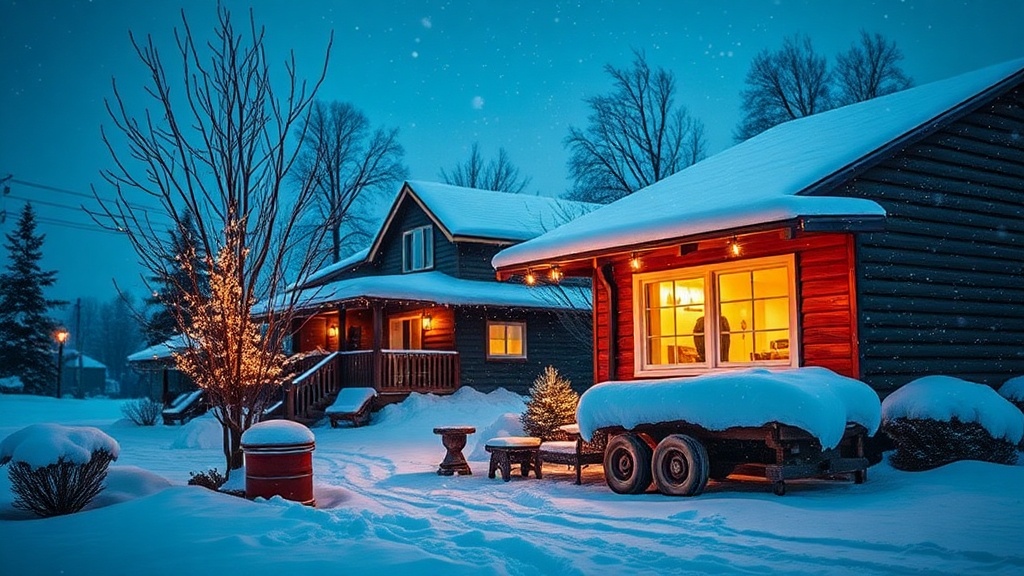
Getting Your Household Ready for the Saguenay Winter Season

Why seasonal preparation matters in the Saguenay region
Did you know that Saguenay can see snowfall totals that fluctuate wildly within a single week? One day we're dealing with a light dusting, and the next, we're looking at a massive accumulation that can stall everything in its tracks. Preparing your home isn't just about comfort; it's about ensuring your family stays safe and your municipal services can reach you easily. When we talk about living in Saguenay, we're talking about a climate that demands respect and early action.
As the temperatures drop in the Chicoutimi or Jonquière sectors, the pressure on our local electrical grid and water systems increases. We've seen it happen many times: a sudden freeze leads to frozen pipes or a power outage that leaves a neighborhood in the dark. Being proactive means you won't be scrambling when the first real blizzard hits our streets. We want to make sure everyone in our community is ready for what the Saguenay winters actually bring.
How do I prevent frozen pipes in Saguenay?
Water pipe bursts are a common headache for many of us living in older parts of the city. To keep your home safe, you'll want to focus on the exterior first. If you have outdoor faucets (hose bibs) that aren't frost-proof, you've got to disconnect those hoses immediately. Leaving a hose attached is a one-way ticket to a burst pipe once the Saguenay freeze sets in. We've seen so many unnecessary repair bills just because a single hose was left out in the yard.
Inside the house, the strategy is slightly different. If you have a room that's particularly cold—maybe an addition or a room near a garage—keep the heat running at a steady, low level. Don't turn the heat off entirely just to save a few dollars; that's how you end up with a flooded basement. If you have a basement in a Saguenay home, check that your sump pump is actually working and that the discharge line isn't frozen. A quick test now saves a huge mess in February.
Where should I store my winter equipment?
In our region, your snow removal tools are your best friends. If you live in a neighborhood like Kénédit or near the Rue Racine area, you know that snow can pile up against your doors faster than you can clear it. You need a reliable shovel and, if you're able, a snowblower that's been serviced recently. Don't wait until the first big storm to find out your snowblower won't start. Testing it in October or November is a smart move.
We also recommend having a dedicated space for your salt or sand. Using a high-quality de-icer on your walkways is a must-have for safety, especially for our seniors in the community. Keep your salt in a tight-fitting, waterproof bin to prevent it from clumping up into a useless brick. Having this ready near your garage or side entrance will make your daily exits much smoother.
What supplies should I keep on hand for emergencies?
Weather in the Saguenay area can sometimes lead to isolation. Whether it's a heavy snowstorm or a temporary power outage, being prepared is the only way to stay calm. We suggest building a kit that includes more than just food. You'll need reliable light sources—think LED lanterns and plenty of spare batteries. Avoid using candles if possible, as they can be a fire hazard if things get chaotic.
- Flashlights and Batteries: Always check the expiration dates on your batteries.
- First Aid Kit: A well-stocked kit is vital when the weather keeps people indoors.
- Warm Clothing: Keep a stash of heavy wool socks and thermal layers near the door.
- Non-perishable Food: Focus on items that don't require cooking if the power goes out.
Check the Ville de Saguenay official website for any local alerts regarding snow removal schedules or municipal updates. It's also a good idea to keep an eye on the Environment Canada weather reports to stay ahead of incoming fronts. Staying informed is the best way to protect your household.
One thing we often see people forget is the car. If you're driving in the Saguenay area during a storm, your vehicle needs to be an extension of your safety plan. Keep an ice scraper, a small shovel, and a heavy blanket in your trunk at all times. If you get stuck on a local road, you'll be glad you didn't forget those basics. Our local roads can get quite tricky when the ice sets in, especially on the slopes around the city.
How can I keep my home energy efficient during a freeze?
Insulation is your first line of defense. If you notice drafts around your windows or doors, use weather stripping or even simple foam tape to seal the gaps. This keeps the warmth inside and helps lower your heating costs during those long, cold months. A well-insulated home is a much more resilient home in our climate.
Don't forget about your window coverings. Closing heavy curtains at night can provide an extra layer of insulation. We've found that even small changes to how you manage your home's temperature can make a big difference in how comfortable you feel during a Saguenay winter. It's all about being proactive and looking after your space before the temperature drops below zero.