Saguenay Winter Life: Seven Authentic Stops for Beating the Deep Freeze

The biggest lie told about Saguenay is that we spend our winters in a state of grim endurance, waiting for the first thaw to remember how to smile. People from Montreal or Quebec City often look at our temperature maps with a mix of pity and horror—assuming we’re all huddled under wool blankets staring at frozen windowpanes from October to April. That’s just not how it works here. If we stayed inside every time the mercury dipped below minus twenty, the entire regional economy would be based on Netflix subscriptions and indoor plumbing repairs. Instead, we’ve built a specific kind of infrastructure (both physical and social) that makes the deep freeze actually tolerable, if not occasionally fun. This guide covers the spots that define our sub-zero culture—from the steam of a local brewery to the wind-whipped expanse of the fjord—because surviving a Saguenay winter requires much more than just a heavy coat; it requires knowing exactly where to find the heat.
What makes ice fishing in Saguenay different from the rest of Quebec?
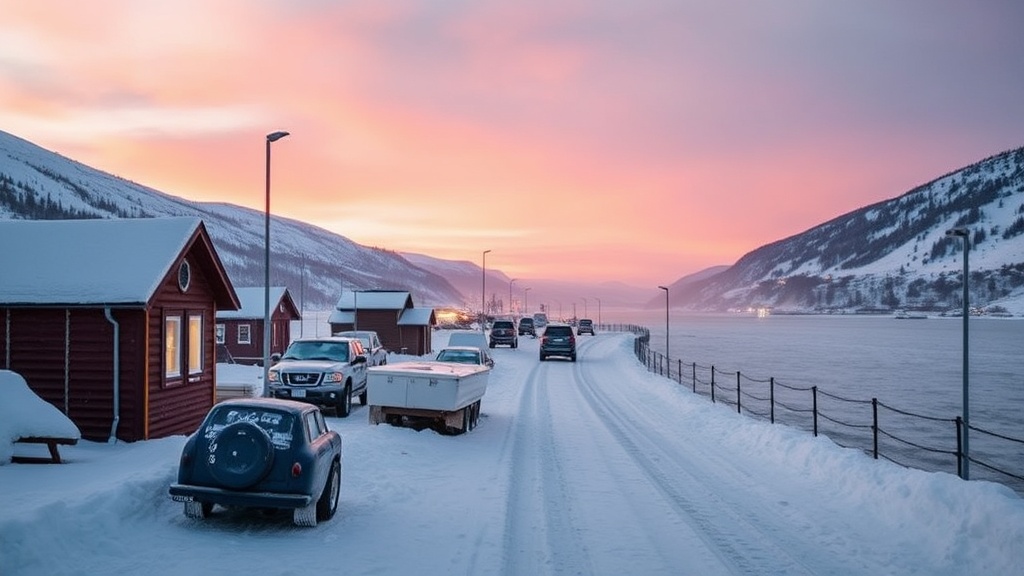
Most people think of ice fishing as sitting on a bucket in the middle of a frozen pond, shivering while staring at a hole in the ice. In Saguenay, specifically in La Baie, it’s a full-blown urban planning project. Every January, hundreds of small wooden shacks (often painted in bright, clashing colors) are hauled onto the frozen salt water of the fjord, creating temporary villages like the one at Rivière-à-Mars. It’s a bizarre and beautiful sight—a literal city on ice with its own streets, power lines, and social hierarchy. Because the fjord is deep and the water is brackish, you aren't just catching perch; you’re pulling up redfish and smelt from depths that would make a lake fisherman dizzy. The smell of woodsmoke from the tiny chimneys hanging over the ice is the true scent of a Saguenay winter. It’s a community event where the fishing is often just an excuse to drink spruce beer and argue about hockey in a space that’s technically floating. You can check the latest ice conditions and safety guidelines at the